
When I think about sports activities with my neurodivergent children, images of Saturday mornings unfold, a whirlwind of lost uniforms in the laundry pile, hot coffee warming my hands on chilly winter mornings and the excitement of visiting the playing field with the best sausage sandwiches. There are the small rituals like lining up bags, bats and boots the night before, gathering friends for carpooling and cheering wildly with parents from the sidelines.
But sport isn’t always this colourful for every family. If your child is neurodivergent, these experiences can look entirely different. Perhaps your child has challenges navigating the nuances of friendships, body language or social cues, or sticking strictly to instructions from a coach or instructor. Maybe they have a narrow range of interests, which makes connecting with peers harder, or there are sensory sensitivities that amplify or dull their perception of touch, sound or vision. These complexities can make the world of sports and activities feel intimidating for families.
We’ve put together a collection of activities thoughtfully designed for neurodivergent families who may face these kinds of hurdles. We want to share activities that can be a source of delight not stress, and include spaces where every child, regardless of their unique needs can thrive and feel supported.
Kimnastix, Tuggerah
Kimnastix in Tuggerah welcomes families seeking inclusive opportunities for their neurodivergent children. This gymnasium stands out as a beacon of belonging, thoughtfully designed to meet the needs of every child regardless of their abilities, learning styles or confidence levels.
The instructors understand that every child’s journey is distinctive, taking things slowly and meeting them right where they are, with compassion and patience.
The classes are built around activities that promote strength, flexibility, coordination and balance, tailored to match your child’s individual skill level. Children are offered a structured yet playful environment that fosters both physical and sensory development. They begin with fundamental movements, such as rolls, handstands and cartwheels helping to build core strength, coordination and balance. Engaging in these activities is especially beneficial for their vestibular (inner ear) system, which plays a key role in regulating balance and spatial awareness.
Many neurodivergent children experience sensory processing challenges, and gymnastics provides a controlled yet dynamic way to stimulate and strengthen. From the group warm-up to apparatus- based exercises and warm-down stretches, each part of the class supports body awareness and emotional regulation. Most importantly, these classes emphasise enjoyment and social engagement, ensuring that children feel encouraged and supported while developing essential motor and sensory skills.
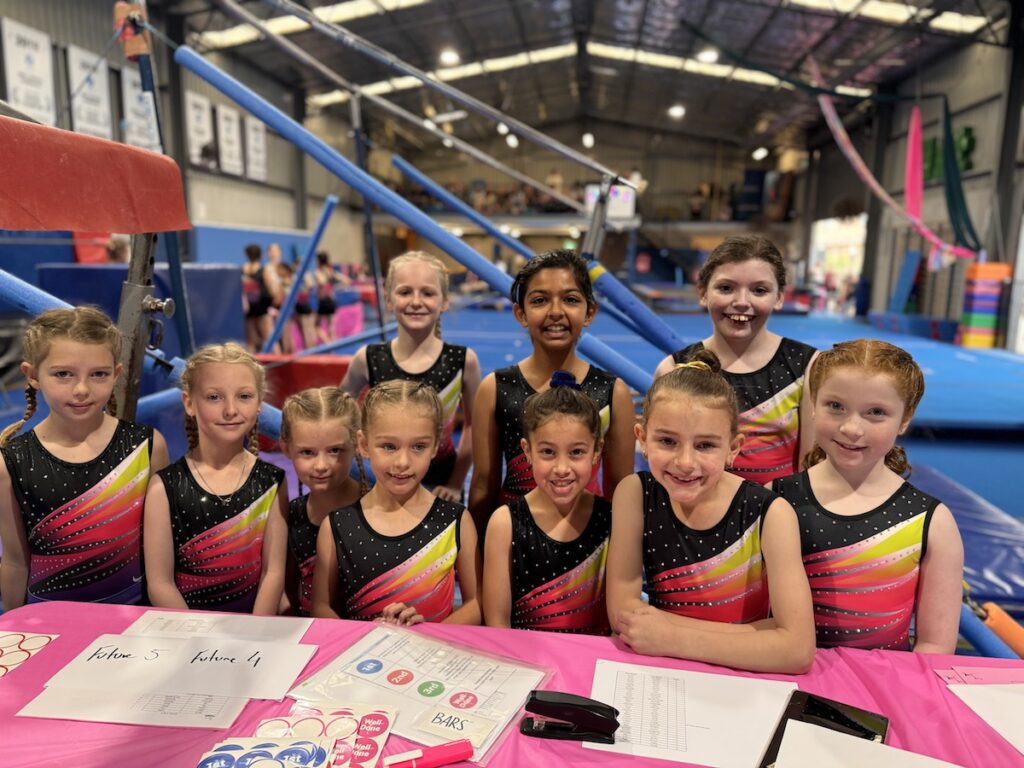
Image courtesy: Kimnastix
Rocking the Senses, across the Central Coast
Imagine a place where children with additional needs can explore and thrive in an environment tailored just for them, a space where they can regulate their emotions and sensory experiences without stress or judgment. On the Central Coast, we’re fortunate to have exactly that thanks to Rocking the Senses, a groundbreaking initiative designed to bring inclusivity and joy to neurodivergent children.
Founded by Hailey and her husband, devoted parents of a young son with autism, Rocking the Senses is Australia’s first mobile sensory van that brings sensory friendly experiences directly to families, schools and communities.
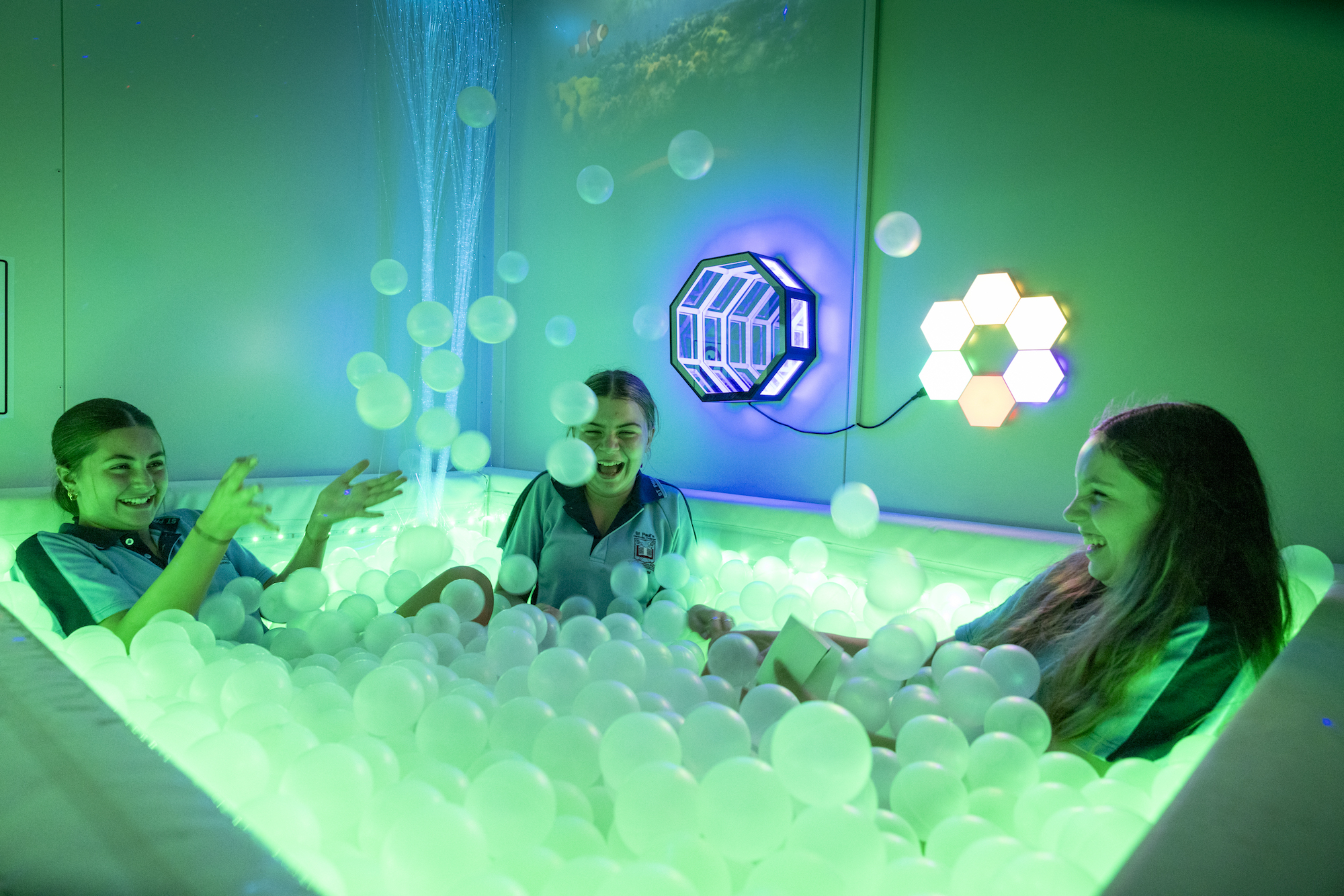
The mobile sensory van is a vibrant and welcoming oasis equipped with tools and activities that cater to sensory, vestibular and cognitive needs. Whether it’s engaging with calming lights, gentle music, sensory swings or tactile exploration, every feature is designed to help children regulate their bodies and emotions in a playful, fun and stress-free way.
Hailey has designed the space as a refuge where children can feel included, especially those who may face difficulties such as bullying or emotional dysregulation. For parents juggling therapy schedules, travel and everyday stresses, it offers a practical and compassionate solution right in their community or even their own front yard.
Rocking the Senses offers various programs, including:
– Weekly sensory playgroups held every Tuesday from 10.30 am to 12.30 pm at the Central Coast – Lifetime Learning Centre in Palmdale. Sensory incursions at preschools and primary schools.
– Custom sensory room designs and installations for schools and organisations.
– Collaborations with the Central Coast Council to provide sensory- friendly experiences at regional festivals and events.
– As a heartwarming bonus, the initiative also includes a therapy assistant pup.
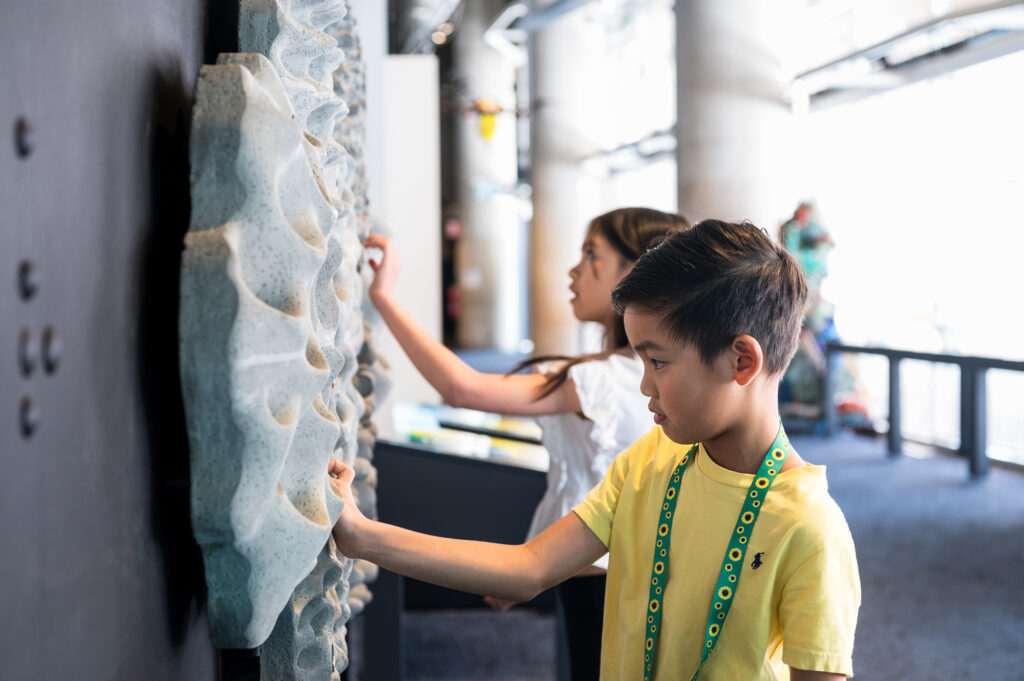
Image courtesy: Rocking the Senses
Seen and Herd, equine therapy, Kulnura
Equine therapy offers a unique and deeply meaningful way for neurodivergent children to connect and grow. If your family has ever navigated the long list of therapeutic interventions – speech therapy, occupational therapy, physiotherapy – you know how these can sometimes feel like one more stressful thing to fit into an already busy schedule. While many of these sessions can be enjoyable for children struggling with impulsivity, self-control, anxiety or emotional recognition, equine therapy provides something profoundly different; a sense of calm connection wrapped in the gentle presence of horses.
Owned by Natasha, a compassionate counsellor and lifelong animal lover, Seen and Herd’s equine therapy program is a safe haven for children to explore their emotions and learn to manage challenging behaviours. With a person-centred somatic approach, Natasha crafts activities that help kids feel grounded and empowered all without feeling like they’re ‘in therapy’. Instead, they are immersed in fun hands-on learning alongside these majestic animals.
It’s all about fostering connection with the children learning to interact with horses safely, grooming them, haltering and leading them, and discovering their fascinating nature. There’s no riding involved, making it accessible and comfortable for children of all ability levels.
Ideal for children aged seven to 12, sessions are intentionally small with no more than six children per group. Lasting 2.5 hours, these sessions offer not just therapy but an opportunity for children to discover themselves and their confidence in building relationships with both two-legged and four-legged friends.
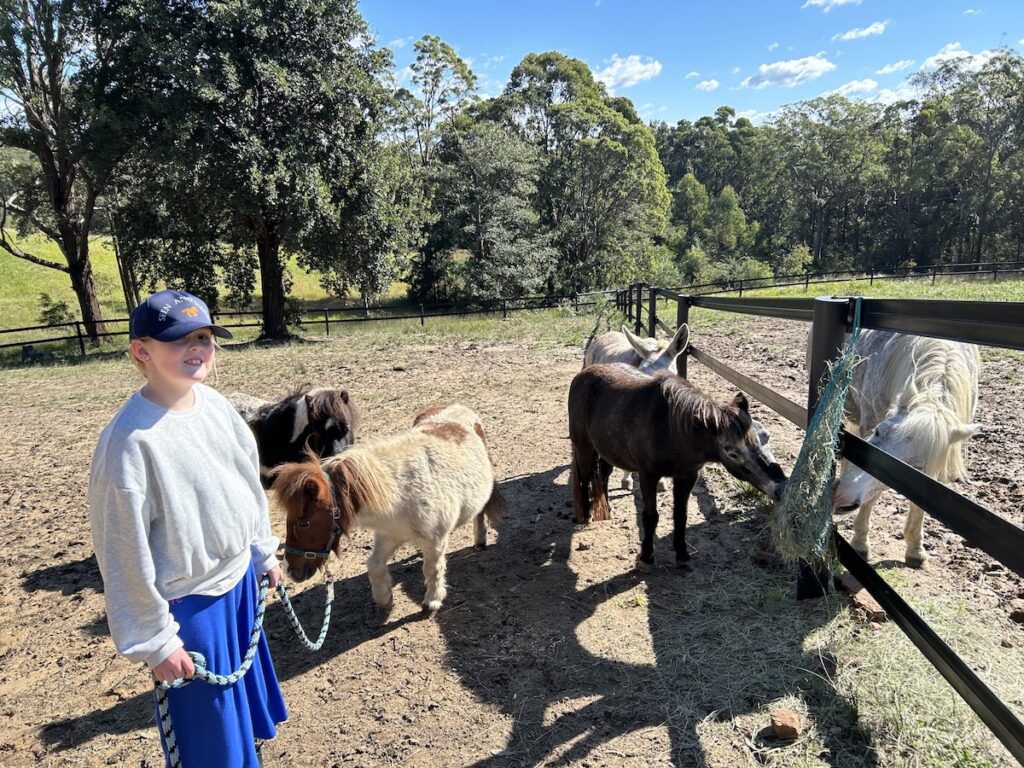
Image courtesy: Seen and Herd
NeuroKind, Wyong
NeuroKind serves as a dedicated centre for neurodiverse individuals, offering families not only traditional ASD/ADHD assessments and psychology but also specialised programs tailored to varied interests of your children.
The skilled team has carefully developed programs where your child or teen and their adult carer can feel in control of the experience while developing skills and tapping into their specific passions. NeuroKind offers tailored parenting and family support programs, equipping caregivers with strategies and resources to nurture positive relationships and effective communication. Their therapeutic and social group programs provide a welcoming environment for clients to connect, share experiences and build confidence through structured activities and peer interactions.
With workshops, holiday programs and term support initiatives like Neuro Art, Neuro Build, Neuro Blox, Neuro Drama, Neuro Sense, Neuro Cook and Neuro Game, there really is something for everyone. Weekly sessions are offered throughout the term. Each interest-led program will have a different individual outcome for each child and tailored to their specific needs, without the pressure to conform.
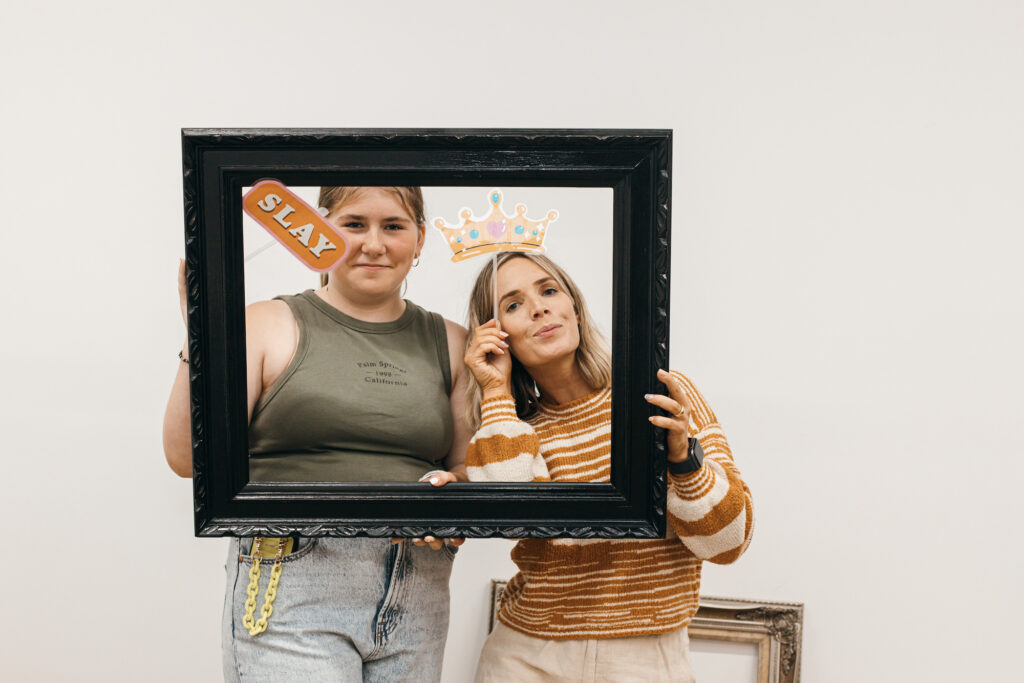
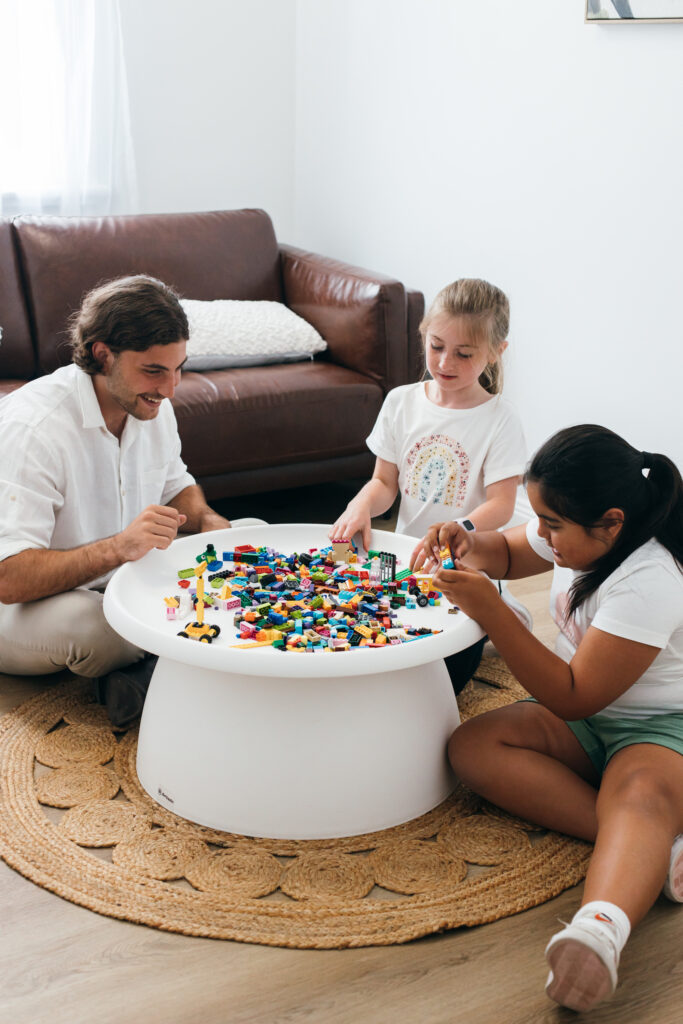
Neurokind offers specialised programs tailored to varied interests.
Images courtesy: Neurokind
Main image courtesy: Rocking the Senses.