
A life devoted to wombats
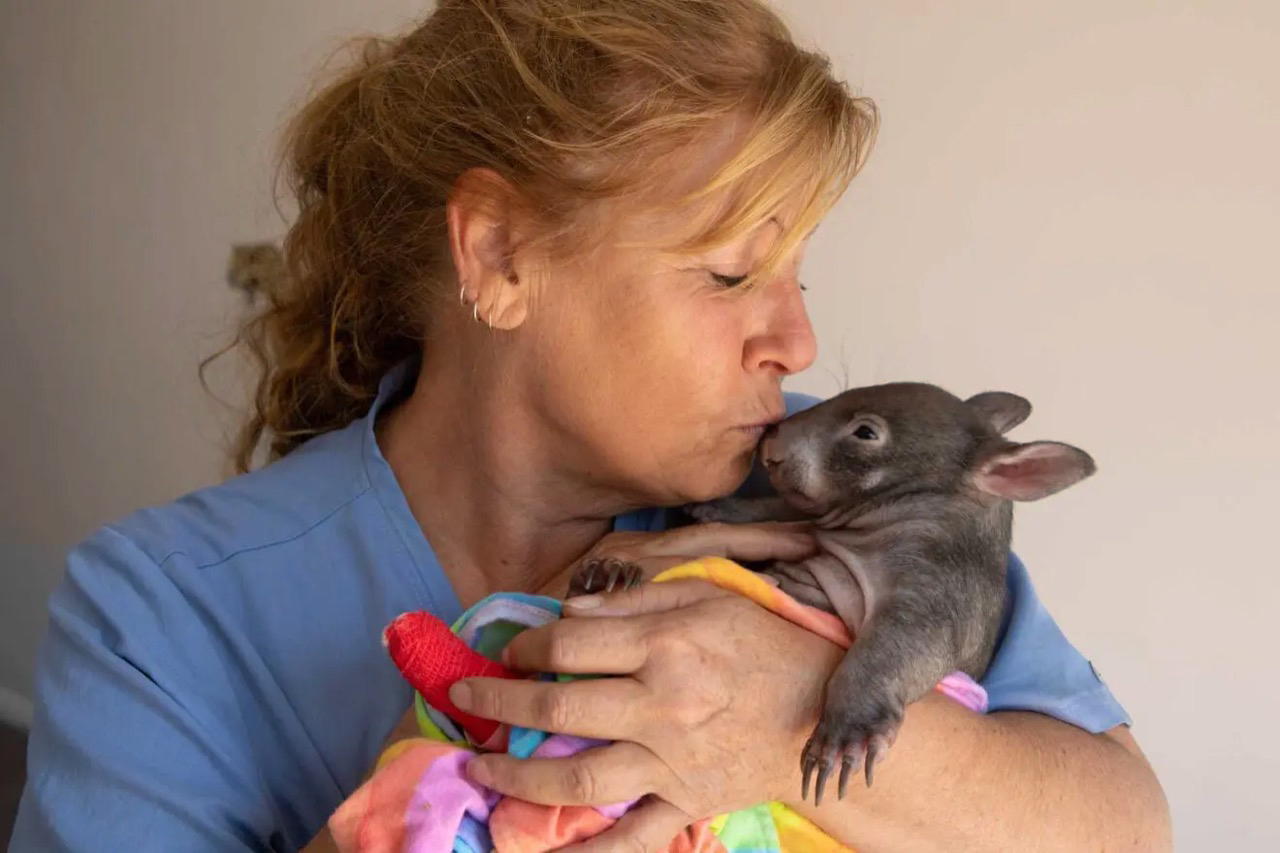
For decades, Roz has lived and breathed wombat care, battling the scourge of mange and giving these burrowing marsupials a second chance at life.
‘I’ve been looking after wildlife for 40 years,’ Roz says. ‘I was born into it. My parents cared for wildlife, and when I got married, my husband and I took it even further.’
Cedar Creek Wombat Rescue has evolved from a labour of love into a fully fledged hospital thanks to Roz’s tireless efforts. When she first started, mange was considered a death sentence for wombats.
‘No one wanted to treat them, and euthanasia was the only option. So I started training vets and vet nurses, because it is treatable.’
Over the years, Roz forged connections with local veterinarians who helped her establish the hospital. But the real turning point came when, during a chance meeting, the Kinder chocolate company asked how it could help. ‘I said I wanted a proper hospital, and they made it happen. It cost a lot, but it’s changed everything.’
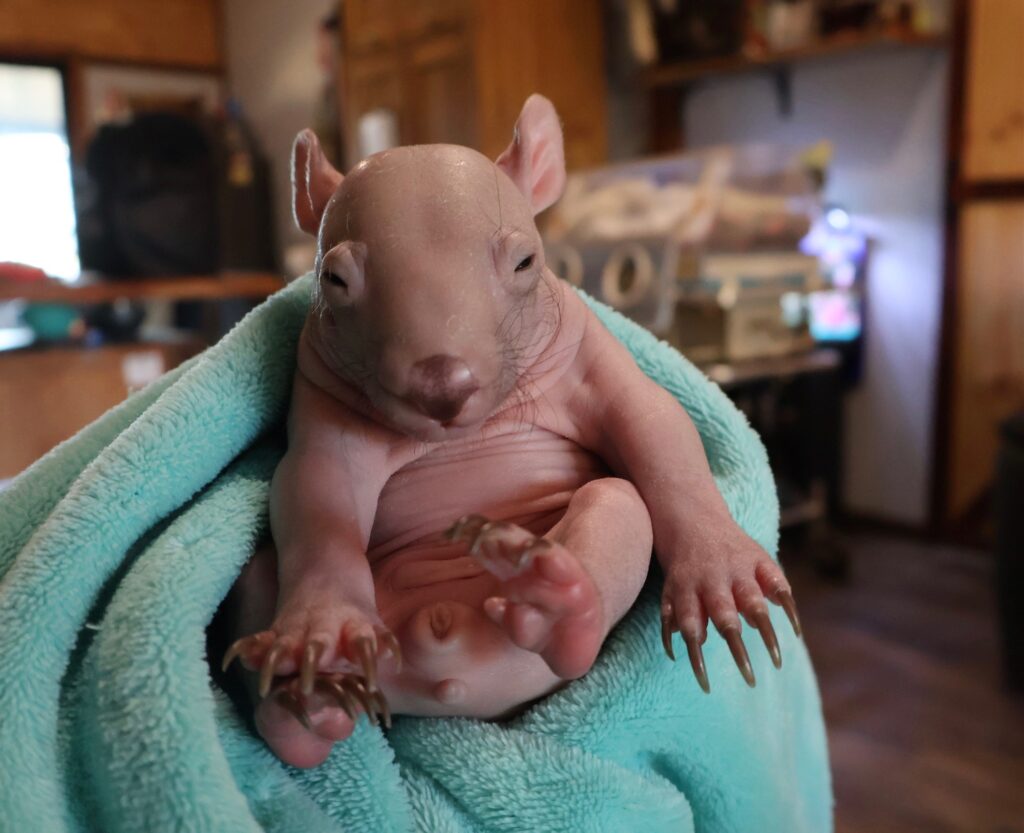
Image courtesy: Cedar Creek Wombat Rescue
A purpose-built sanctuary
The hospital is designed for around-the-clock care. Roz’s own bedroom is connected to the facility, allowing her to respond to emergencies without stepping outside. A separate vet room means visiting veterinarians can stay on-site. ‘I’ve put my whole life on hold for wombats,’ Roz admits. ‘Everything here is built for them – to keep them safe and to make sure I can do the best job possible.’
With capacity for 30 wombats at a time, the work never stops. ‘Every week, I think, ‘I need to build a new pen, a new ICU unit.’ Demand soared during the 2019 bushfires, when the hospital was inundated with injured and orphaned wombats. ‘It was really difficult, trying to care for them while also out fighting fires,’ she says.
‘You can only take in so many critically ill animals before you start having problems.’
The fight against mange
Mange remains the biggest threat to wombats in the region, particularly in Mangrove Mountain, Yarramalong and Cedar Brush Creek. ‘On the Central Coast and in the Hunter Valley, if someone calls about a wombat with mange, I’ll meet them, assess the animal, and bring it home if I can know I can help.’
Roz also works with zoos, where wombats often struggle to thrive. ‘I bring them here and dehumanise them, so they have a shot at
being wild again.’ She monitors their progress carefully, waiting until they weigh at least 20 kg and have learned to dig a burrow before considering release. ‘You wouldn’t let one go that can’t dig. It wouldn’t survive.’
One of Roz’s most notable guests is Wilbur, who came to stay after a stint at the Australian Reptile Park last year. ‘He is the most beautiful wombat. He’ll be released in a few more months, once he has shown me he can dig.’
Once ready, the wombats are soft-released, meaning they can come and go from their enclosure at their own pace. ‘There’s always food here if they need it,’ Roz says. ‘They know it’s safe.’
Keeping the hospital running
Caring for wombats isn’t cheap. The hospital’s weekly food bill runs to $350, covering grain, roo pellets and grassy hay, which is especially costly. ‘We’re trying to plant native grasses on our 200-acre property so there’s always something for them to eat.’
Supporters have helped in other ways, too. A generous donor provided a mobile home, which will become a manager’s cottage once solar power and fencing are installed. ‘I stay there sometimes, and when you walk out onto the veranda, you’re surrounded by wildlife – there are always kangaroos in the paddock.’
How you can help
Cedar Creek Wombat Rescue is more than just a hospital, it’s a testament to one woman’s unwavering dedication to Australia’s wildlife. ‘I’ve had my family, I’ve had my life. Now, everything is for the wombats,’ Roz says. ‘I’ll do this until I die.’
But she can’t do it alone. Financial donations and volunteers are always needed to keep the hospital running and to continue the fight against mange.
If you want to help, visit Cedar Creek Wombat Rescue and be part of this incredible mission to save one of Australia’s most iconic creatures.
Main image courtesy: Cedar Creek Wombat Rescue