
There’s a moment in spring when the bush seems to hold its breath – then suddenly, all at once, it exhales. Out come the starry flannel flowers, delicate and pale, their ivory petals tipped with sage green. Grevilleas burst into bloom like pink fireworks, and banksias bristle with golden candle-brushes. The garden is alive, humming with bees, buzzing with colour, and flitting with feathers. It’s a season of wild beauty, and if you’re lucky, it comes with wattlebirds, a blue wren nesting between the grasses, and maybe – if you’re very lucky – an echidna nosing its way through the mulch.
Gardening with local wildflowers is one of the best ways I know to bring birds and other wildlife right into your backyard. Planting local wildflowers isn’t just about beauty, although there’s plenty of that. It’s about welcoming birds, bees, lizards and pollinators into your patch and creating a garden that sings with life. If you’ve ever heard a lorikeet squawk from the top of a banksia or spotted a family of blue wrens working their way through the mulch munching on insects, you’ll know what I mean. I once watched a family of blue wrens building their nest deep in the branches of a soft emu bush (Eremophila nivea), flickers of blue darting back and forth with twigs. Ready to welcome the little babies at Christmas.
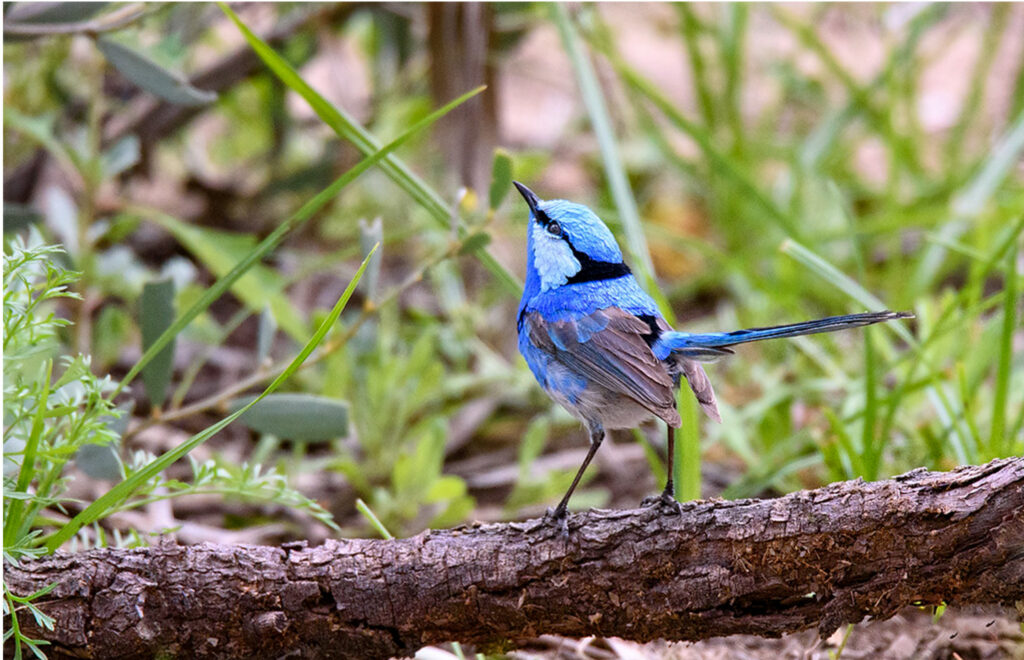
Here on the Central Coast, we’re spoiled with native plants perfectly suited to our soils and climate. With just a little care to get them established, they’ll reward you year after year with flowers, fragrance, texture, and a steady stream of grateful wildlife.
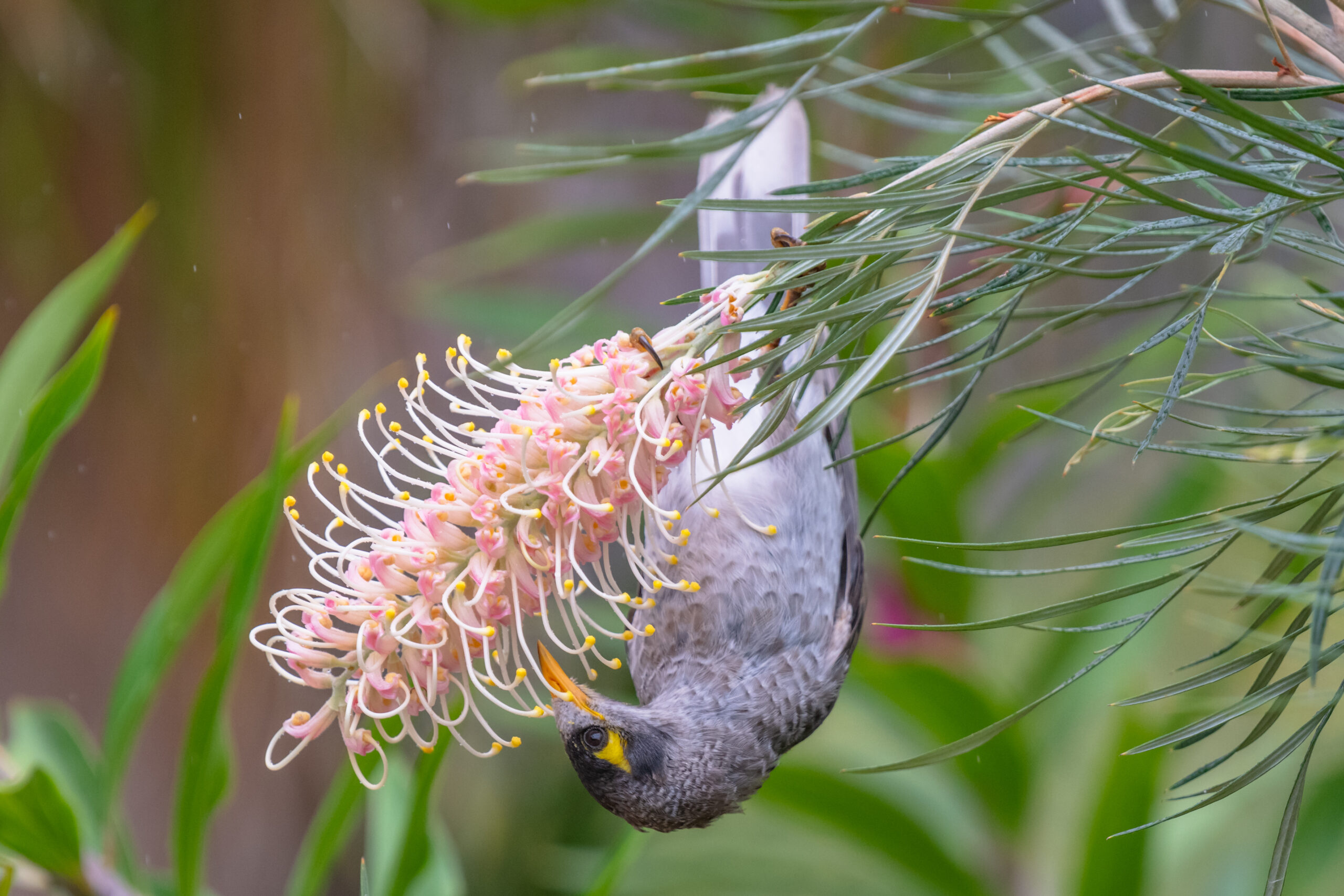
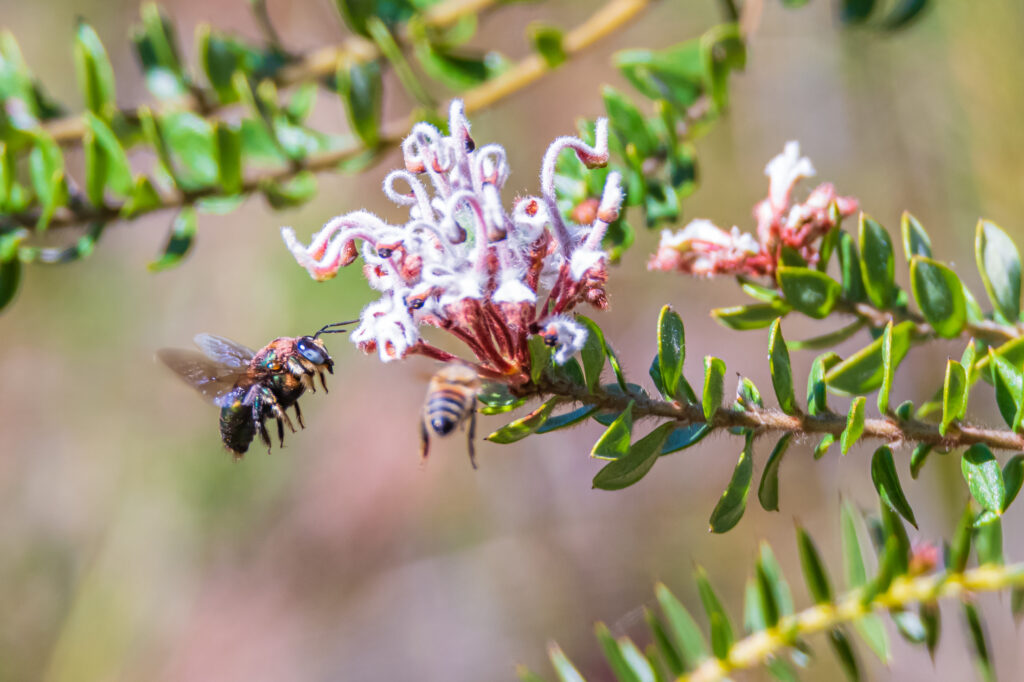
Start with Grevillea sericea, the local pink spider flower. It’s generous with blooms and beloved by spinebills, honeyeaters and wrens. It’s also hardy, compact, and looks stunning with its soft, arching habit. Pair it with a local Banksia ‘Stumpy Gold’ – a compact native that glows with golden brushes and adds drama to any border. Together, they create a natural buffet for nectar-loving birds and a spectacular seasonal show.
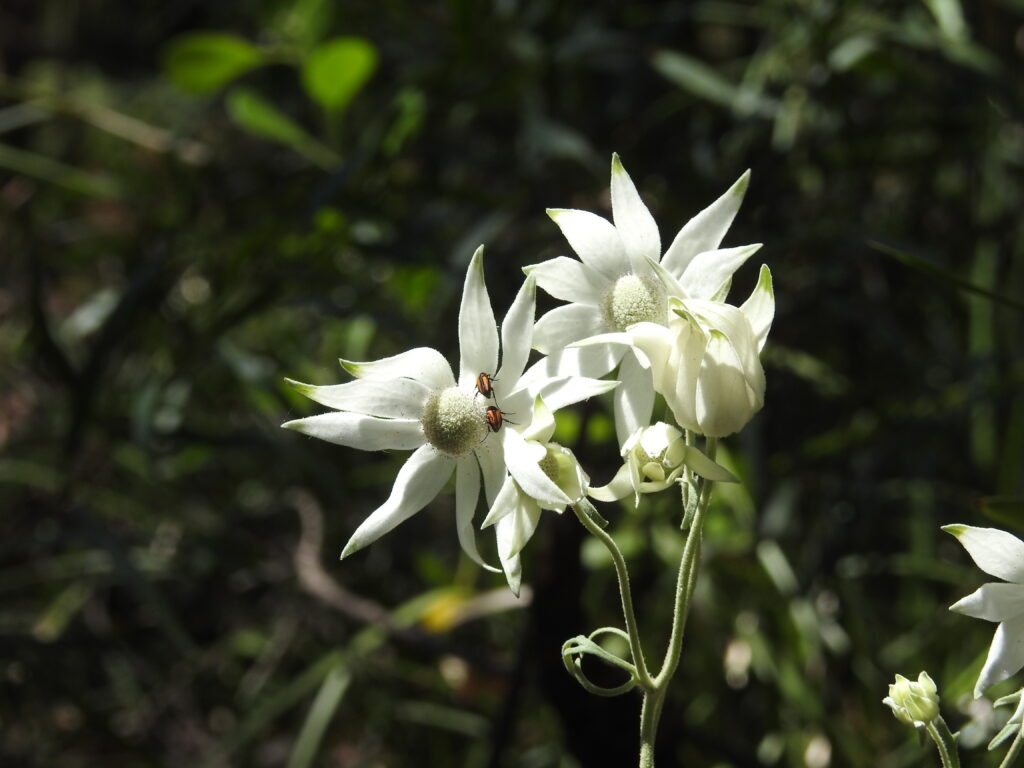
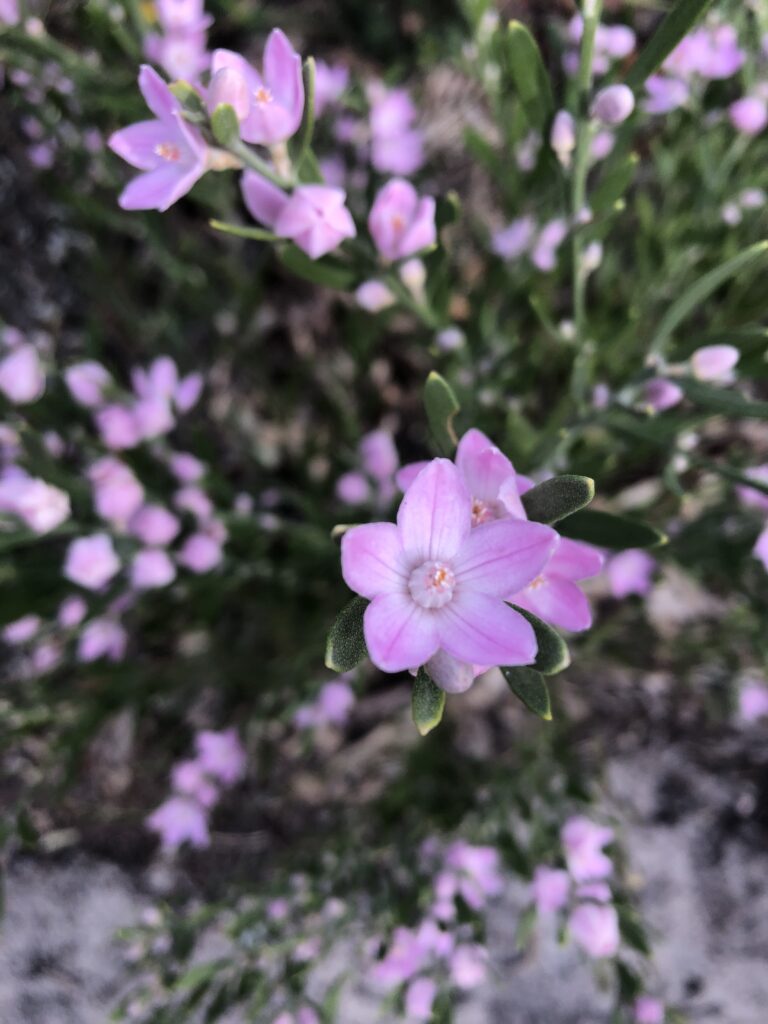
For something a little whimsical, flannel flowers (Actinotus helianthi) are a must. With their silvery foliage and soft-petalled charm, they thrive in sunny, well-drained spots and pots. I always stop in my tracks when I see them catching the morning light, their velvet daisies waving in the breeze. Wax flowers (Philotheca species) are another local treasure. With pink, five-pointed blooms and aromatic foliage, they flower from winter into spring and make excellent fillers or hedging plants
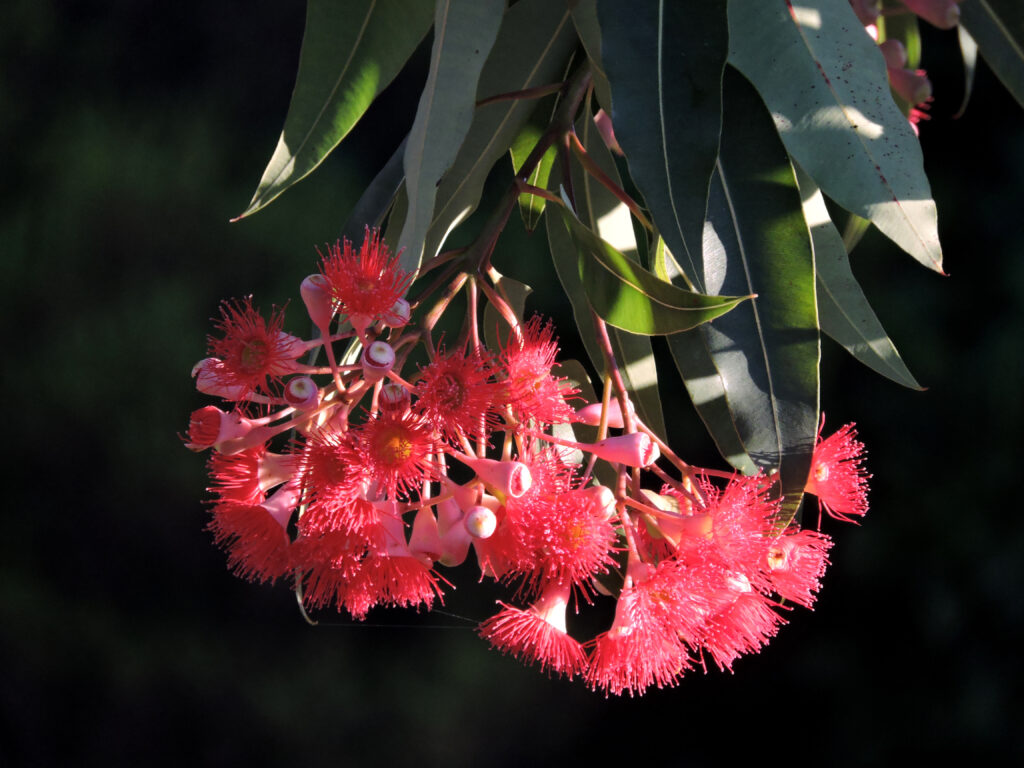
And then there are flowering gums – Corymbia ficifolia cultivars in watermelon pink, tangerine, or crimson red. Originally from Western Australia, the grafted cultivars have taken beautifully to the Central Coast. They’re a magnet for birds and so sculptural, they turn a driveway or verge into a focal point. Combine these with the larger long living kangaroo paws like the ‘landscape series’ bred in Ourimbah and your garden will turn into a smorgasbord of nectar.
Caring for your native wildflower garden
Native plants may be tough, but they’ll reward you with more flowers, stronger growth and better shape with a little thoughtful care. After flowering, give plants a gentle trim. A light haircut helps maintain a tidy form and encourages more blooms next season.
Mulch generously with fallen leaves and chunky bark chips to mimic the bush floor, retain moisture and suppress weeds. In spring, feed your plants with a slow-release native fertiliser or a scatter of well- rotted animal manure to give them a gentle nudge into growth.
The key to success is drainage. Most wildflowers hate having their feet wet. Ensure your soil is friable and free-draining, mounding up garden beds where needed to allow for good runoff during heavy rain. Raised beds are especially useful on clay soils or in boggy areas.
Think of your wildflower garden like a meadow or perennial border: layer taller shrubs at the back, weave mid-height species through the centre, and plant in drifts of three, five or seven to create natural- looking swathes that please the eye. Repetition is your friend; it brings cohesion to the planting and allows favourite species to shine.
Don’t be afraid to plant more of what you love and what thrives in your patch. I always choose tubestock or small 140 mm pots. They’re cheaper, easier to establish, and let me experiment widely to discover what truly sings in my soil.
Finally, support your local wildflower nurseries, they know the plants that work best in our region and always have hidden gems worth discovering. Plus, they’re full of passionate growers who love a good garden chat.
This is the joy of gardening wild. It’s not about control, it’s about connection. Let your garden be a little untamed, and nature will reward you in the most unexpected ways.
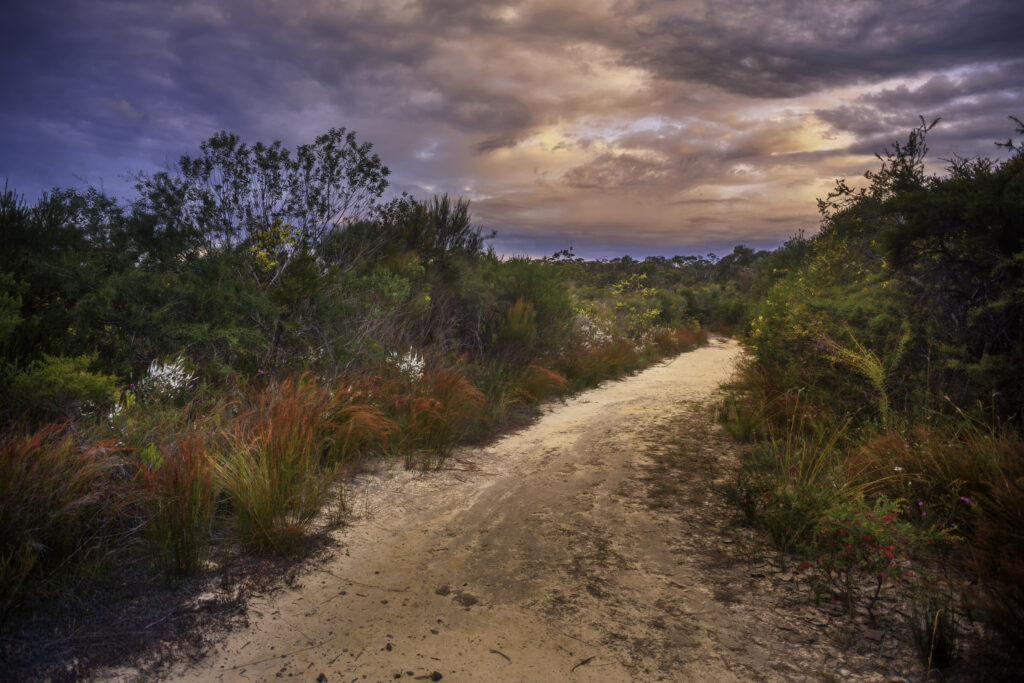
OUR TOP FIVE SPRING WILDFLOWER WALKS ON THE CENTRAL COAST
At this time of year, the bush is a kaleidoscope of new life. It will leave you inspired to bring the nature and wildflowers into your garden:
Bouddi Coastal Walk
Spring along the clifftops is unforgettable — flannel flowers, pink wax blooms and sweeping ocean views. Start from Putty Beach and walk toward Little Beach for a scenic wildflower showcase.
Strickland State Forest
This historic forest near Narara is a springtime gem, with native orchids, wattles, grevilleas and shady fern gullies, plus picnic spots and birdwatching galore.
Munmorah State Conservation Area
Explore the Moonee Beach or Palms circuits for banksias, tea-trees and waratahs. The coastal heathland comes alive with colour and birdlife and flannel flowers!
Kincumba Mountain Reserve
A haven for flannel flowers, boronias and rock-loving natives, this plateau walk offers bush beauty and valley views just minutes from suburbia.
Wyrrabalong National Park
Both the north and south sections offer fantastic spring walks. Try the Red Gum Trail or the Coast Track from Bateau Bay where wildflowers bloom against a backdrop of crashing waves.
Main image: Merrillie Redden